 Reglyph
Translate English PDFs & documents to French
scanned or digital — without breaking the layout
Expats settling in France routinely need English paperwork — pay slips, employment letters, diplomas — presented in French for the préfecture, OFII, or CAF, and Canadian businesses need English materials in French to meet bilingual requirements. Reglyph OCRs the scan, removes the English text from the page image, and typesets the French version back where the original stood, so letterheads, tables, and signatures survive. Try it on 5 free pages a day before paying anything.
French expands English text and has its own spacing rules
French runs roughly 15–20% longer than English and adds typographic conventions of its own, like the space before colons, semicolons, and question marks, plus guillemets « » instead of straight quotes. Reglyph rebuilds each page from the image up: the English is erased and the French is re-typeset inside the original block boundaries, so longer French sentences reflow within their region instead of colliding with the next column or spilling over table borders.
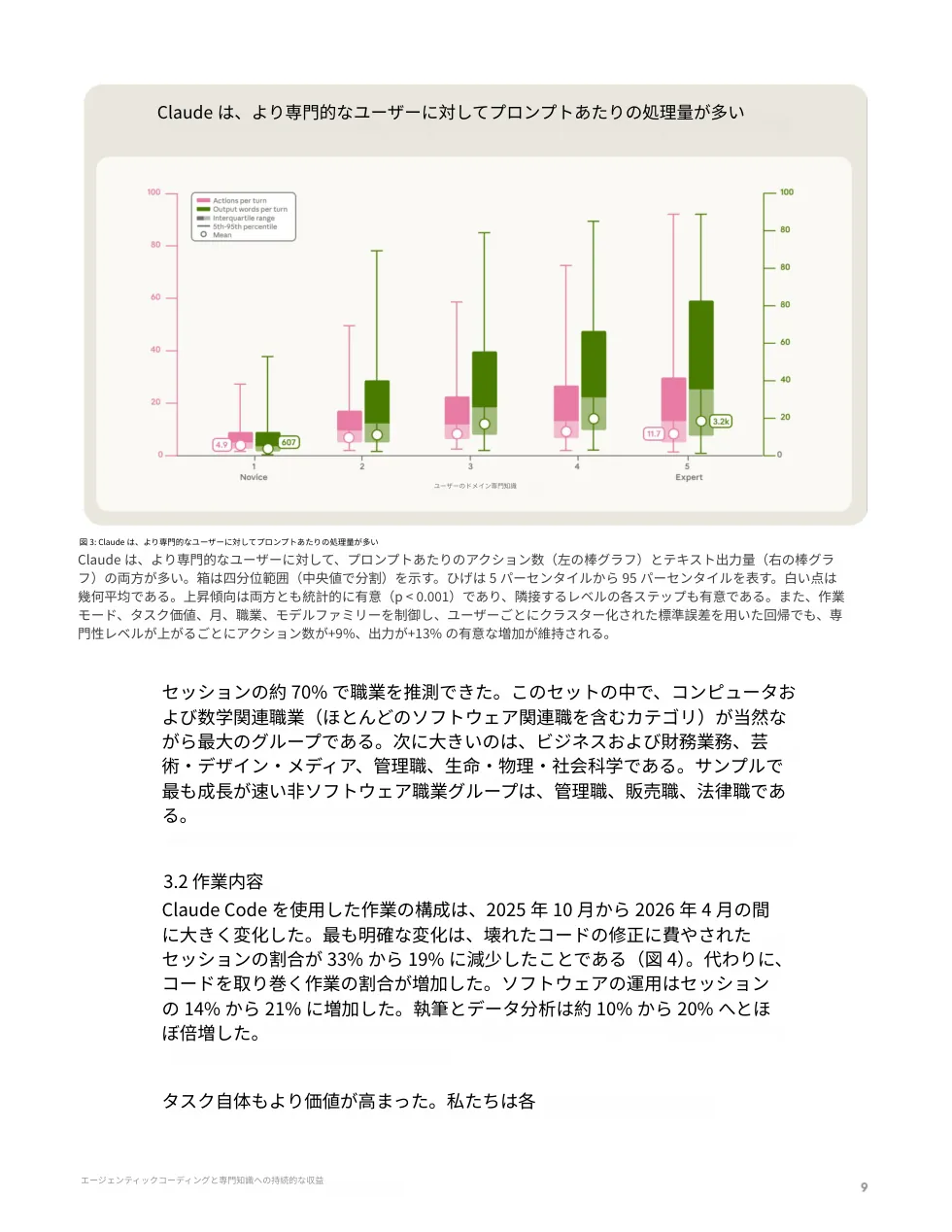
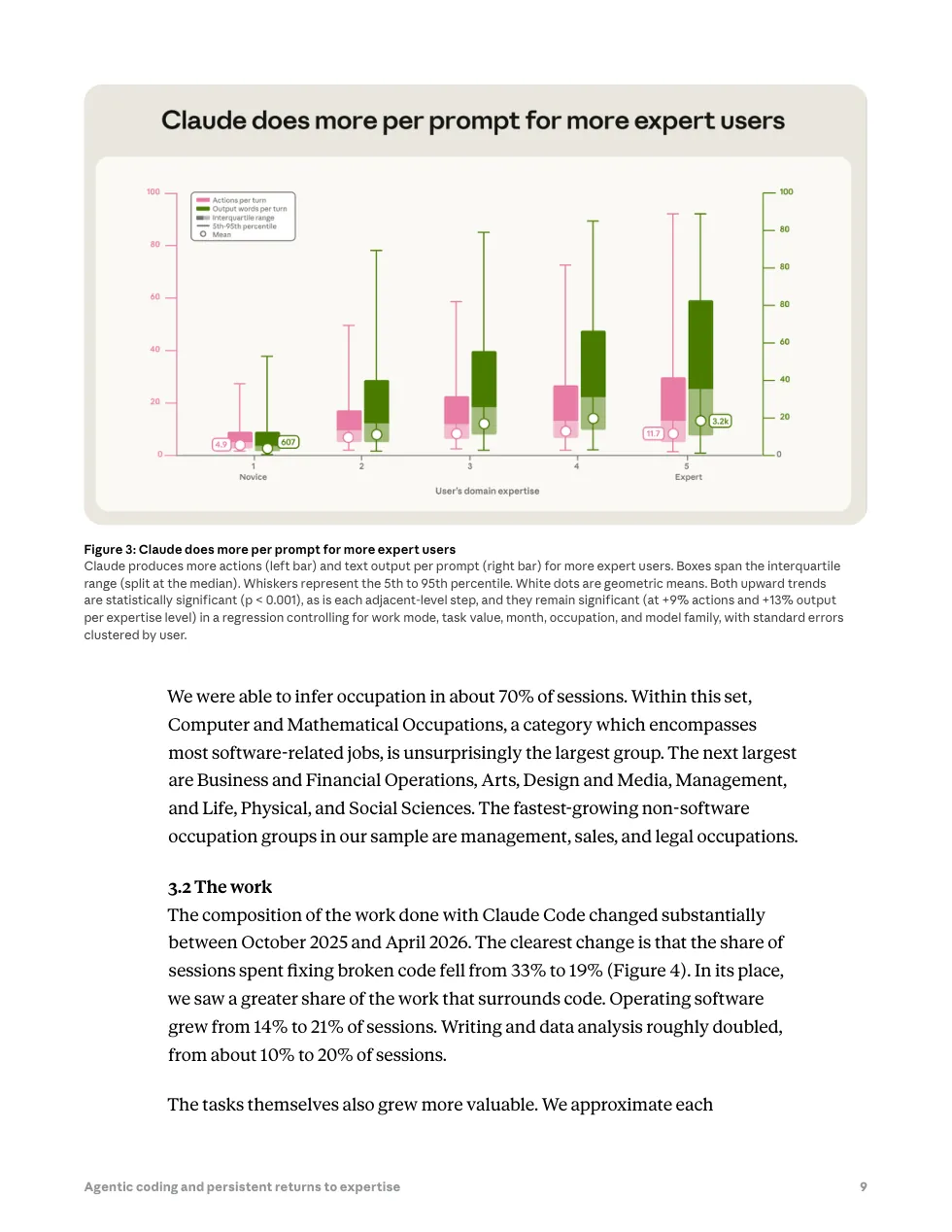
Drag to compare — every table, figure, and number stays in place.
Common scanned English documents we translate
These are the English-language documents people most often translate to French — each keeps its original layout, seals, and tables.
How to translate a scanned English document
Drop in a scanned English PDF, a digital PDF, or a photo of the page. Image-only files are fine — no text layer needed.
OCR extracts the English text, then it's translated to French while the original text is erased from the page.
Get a clean PDF where tables, figures, stamps, and numbers sit exactly where they were.
English → French — frequently asked
How do I translate English pay slips to French for a préfecture appointment?
Upload the scanned pay slips to Reglyph and it returns French PDFs with the same layout — the tables of amounts, dates, and employer details stay where they were. Note that French authorities often require a traducteur assermenté (sworn translator) for official files; Reglyph gives you and the translator an accurate, correctly laid-out draft to work from.
Does it work for Canada's bilingual documentation requirements?
Reglyph can translate English manuals, notices, and internal documents into French while keeping tables, figures, and numbering in place, which makes producing a French counterpart of an existing English document much faster. It is machine translation, so regulated consumer-facing text should still get a human review before publication.
Can Reglyph handle a photographed English diploma, not just a clean scan?
Yes — photographed and image-only PDFs work, though a flat, well-lit photo of a clearly printed document gives the best OCR results. Heavy handwriting is unreliable. The seal, signatures, and crest on the diploma remain untouched because only the printed text is erased and replaced.
Choose your plan
Simple, scan-friendly pricing. Pages are pages — no multiplier for scanned files.
$0.30 a page, from 10 pages — you pay for exactly 10 pages.
- $0.30 / page — buy exactly what you need
- Pages never expire
- Up to 100 MB per file
- $0.09 / page
- 100 pages every month
- Up to 100 MB per file
- Pages reset each month
- $0.06 / page
- 500 pages every month
- Unused pages roll over (up to 1,500)
- Up to 100 MB per file
Translate scanned PDFs in other languages
Guides on translating scanned documents
Vision models genuinely read scans now. The question isn't whether ChatGPT can translate your PDF — it's whether a chat reply is actually what you need back.
Read guideCamera-translate apps are great for reading a page on the spot, but they don't give you a file — here's how to get an actual translated PDF from your phone.
Read guideRandom symbols, blank pages, or 'PDF tools are temporarily offline' — the cause is almost always the same one thing, and it's fixable.
Read guide