Translate English PDFs & documents to Brazilian Portuguese scanned or digital — without breaking the layout
People don't search for “Portuguese” when they mean Brazil — they say Brazilian, because the difference is real. Contracts for São Paulo partners, enrollment papers for Brazilian schools, HR policies for a Brazilian team, personal documents headed for a cartório: all of them read wrong in European Portuguese. Reglyph translates scanned English documents into Portuguese as Brazil actually writes it, and rebuilds each page so tables, letterheads and signature blocks stay exactly where they were.
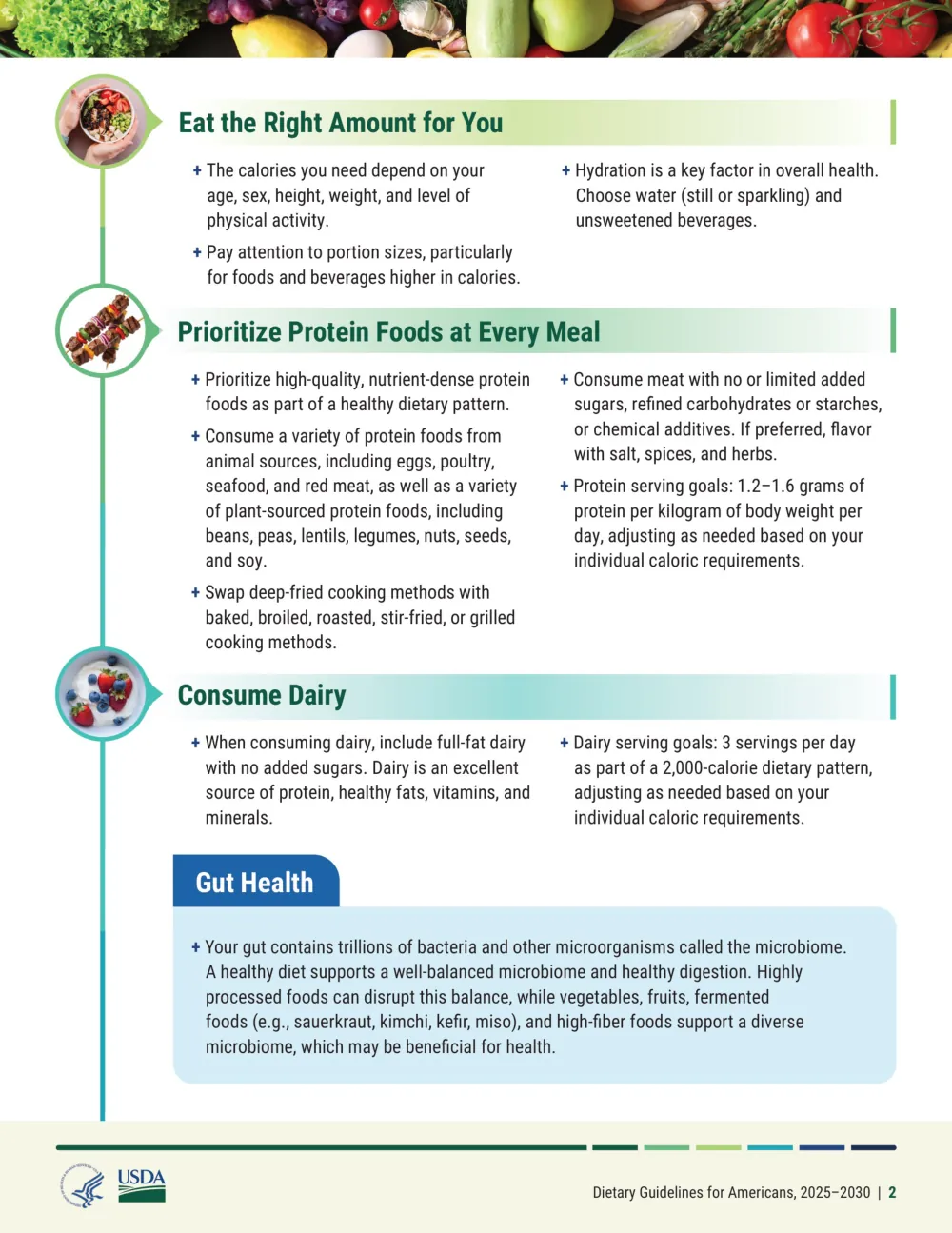
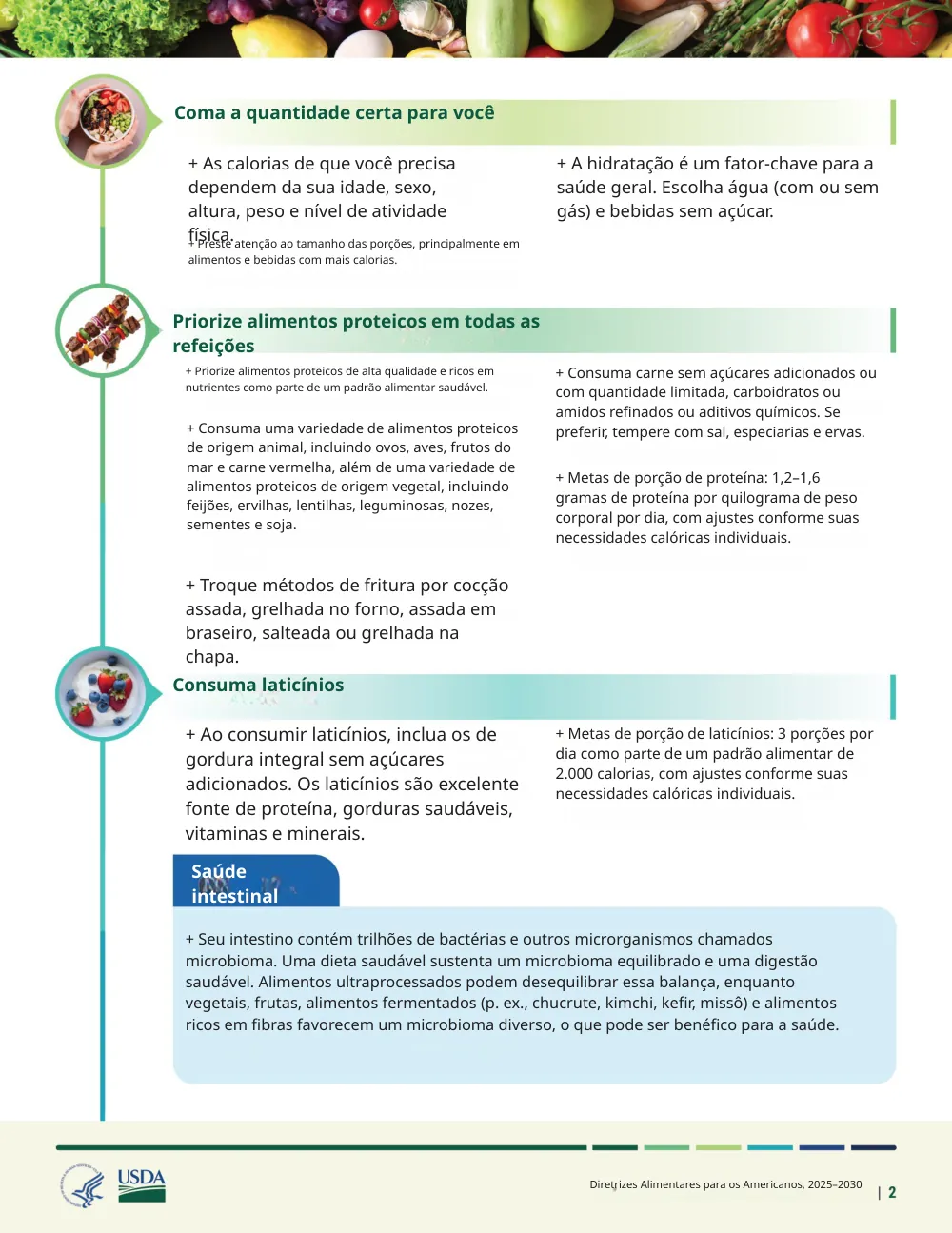
Brazilian Portuguese is its own target
Brazilian and European Portuguese diverge in everyday vocabulary (trem vs. comboio, ônibus vs. autocarro), pronoun use (você as the default), gerund constructions and plenty of officialese. A document in the wrong variant signals 'translated abroad' to a Brazilian reader. Reglyph targets Brazilian conventions throughout. One honest caveat: for official use inside Brazil, authorities often require a tradução juramentada by a state-registered sworn translator — use Reglyph for the instant working version and the layout-faithful draft that makes the sworn step quick.
Common scanned English documents we translate
These are the English-language documents people most often translate to Brazilian Portuguese — each keeps its original layout, seals, and tables.
- Contracts & agreements for Brazilian partners
- Corporate policies & HR documents
- School & university enrollment papers
- Visa and residency paperwork for Brazil
- Product sheets & marketing materials
- Personal certificates headed for cartório use
How to translate a scanned English document
Upload your PDF
Drop in a scanned English PDF (one from your phone's scanner app works) or a digital PDF. Image-only PDFs are fine — no text layer needed.
We read & translate
OCR extracts the English text, then it's translated to Brazilian Portuguese while the original text is erased from the page.
Download, layout intact
Get a clean PDF where tables, figures, stamps, and numbers sit exactly where they were.
English → Brazilian Portuguese — frequently asked
Is this Brazilian Portuguese or European Portuguese?
Brazilian. Vocabulary, pronouns and phrasing follow Brazilian usage — the variant a reader in São Paulo or Recife expects. For European Portuguese, use the English to Portuguese page instead.
Will a Brazilian cartório or government office accept it?
For official filings inside Brazil, authorities generally require a tradução juramentada from a sworn translator registered with a state board of trade. The sworn translator makes their own translation; Reglyph's version helps you check it. For everything unofficial, the translation is ready to use as is.
Does it keep the layout of scanned English documents?
Yes — that's the point. The English text is read by OCR, erased, and the Brazilian Portuguese re-typeset in place, so contracts keep their clause numbering and forms keep their fields.
Can I translate a whole batch for a Brazil expansion?
Yes. Upload the set in one job — policies, contracts, product sheets — and terminology stays consistent across every document, which matters when the same defined terms appear in all of them.
Choose your plan
Simple, scan-friendly pricing. Pages are pages — no multiplier for scanned files.
Pay-as-you-go
Translate a few pages. No commitment.
$0.30 a page, from 10 pages — you pay for exactly 10 pages.
- Pages never expire
- Up to 100 MB per file
Lite
Most popularFor individuals with scans to translate every month.
- $0.09 / page
- 100 pages every month
- 5 bonus pages, refreshed daily
- Up to 100 MB per file
- Pages reset each month
Pro
For high-volume users with scans to translate every week.
- $0.06 / page
- 500 pages every month
- 5 bonus pages, refreshed daily
- Unused pages roll over (up to 1,500)
- Up to 100 MB per file
Translate scanned PDFs in other languages
Guides on translating scanned documents
Can ChatGPT Translate a Scanned PDF? What Works and What Doesn't
Getting a scanned PDF into ChatGPT takes a workaround, and what comes back is text, or a rebuilt page you'll want to check. Here's how to do it and where it breaks.
Read guideTranslate a Scanned PDF on Your Phone (iPhone & Android)
Camera-translate apps are great for reading a page on the spot, but they don't give you a file — here's how to get an actual translated PDF from your phone.
Read guideWhy Does My Scanned PDF Translate to Gibberish? (And How to Fix It)
Random symbols, blank pages, or 'PDF tools are temporarily offline' — the cause is almost always the same one thing, and it's fixable.
Read guide