 Reglyph
Translate Turkish PDFs & documents to English
scanned or digital — without breaking the layout
Turkish-to-English translation requests cluster around a few real situations: nüfus (civil registry) extracts and criminal record certificates for visa and residency files, diplomas and transcripts for equivalency reviews, and trade registry documents for cross-border business. These arrive as e-Devlet printouts or stamped office scans, and Reglyph translates them with OCR + AI while erasing the Turkish from the page image and setting the English back into the identical layout — QR codes, seals, and tables untouched.
Dotted vs. dotless i, and words that grow
Turkish has both a dotted i/İ and a dotless ı/I, plus ğ, ş, ç, ö, ü — and OCR that confuses ı with i silently corrupts names and case endings. Turkish is also agglutinative: a single long word can carry what English says in a phrase, so line lengths change substantially in translation and naive tools push text out of its cells. Reglyph reads the full Turkish alphabet correctly and refits the longer English phrasing into the original table cells, keeping the document's structure intact.
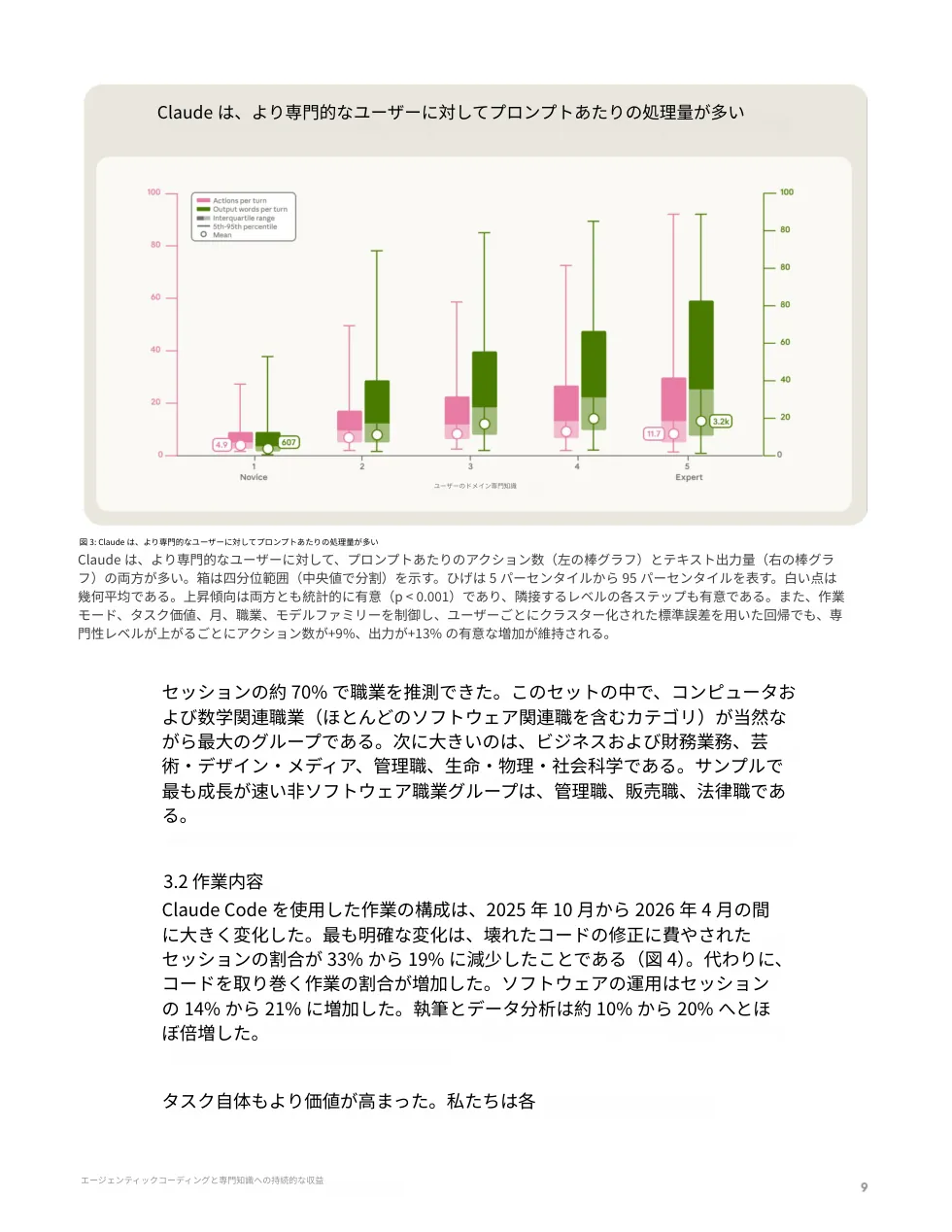
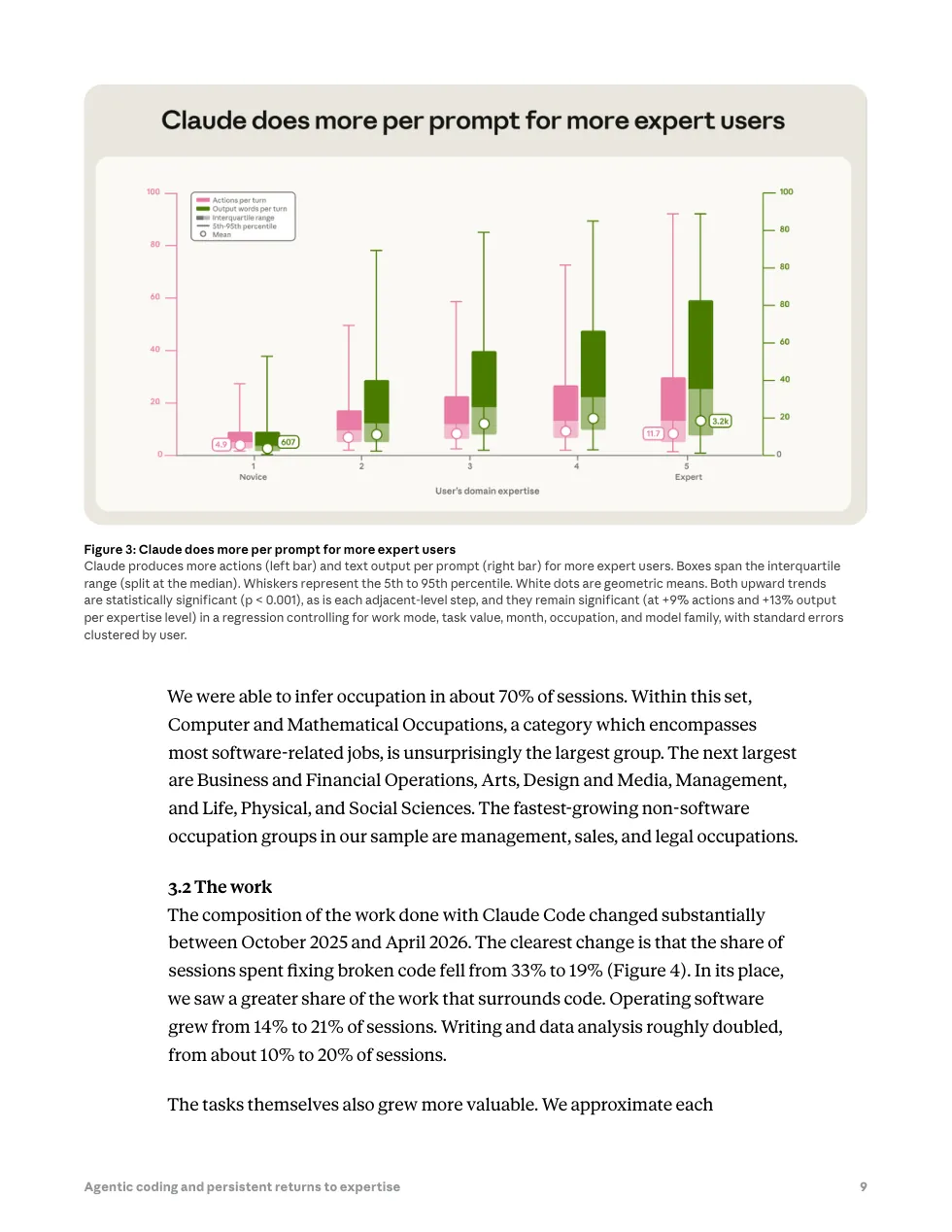
Drag to compare — every table, figure, and number stays in place.
Common scanned Turkish documents we translate
These are the Turkish-language documents people most often translate to English — each keeps its original layout, seals, and tables.
How to translate a scanned Turkish document
Drop in a scanned Turkish PDF, a digital PDF, or a photo of the page. Image-only files are fine — no text layer needed.
OCR extracts the Turkish text, then it's translated to English while the original text is erased from the page.
Get a clean PDF where tables, figures, stamps, and numbers sit exactly where they were.
Turkish → English — frequently asked
Can I translate an e-Devlet PDF like an adli sicil kaydı to English?
Yes — e-Devlet documents work whether you upload the digital PDF or a scan of the printout, and the barcode/QR verification block stays in place so the receiving office can still validate it. The English version keeps the same layout as the Turkish original. For visa files that require certified translation, have a certified translator review and stamp Reglyph's draft rather than starting from zero.
Will Turkish characters like ı, ğ and ş be read correctly from a scan?
On clean printed scans, yes — the OCR distinguishes dotted İ from dotless ı and reads ğ, ş, ç, ö, ü properly, which is essential for names and place names to come out right. A crooked phone photo in dim light will hurt accuracy, so scan flat when you can. Handwritten annotations, common on older nüfus records, are not reliably readable and should be checked manually.
How do I translate a Turkish transcript for diploma equivalency (denklik or WES)?
Upload the scanned not dökümü and Reglyph reproduces it in English with the course table, credit values, and GPA exactly where they appear in the original — evaluators specifically want that one-to-one correspondence. Grades and numbers are preserved in position rather than reflowed. Most equivalency bodies require the translation to be certified, so budget for a translator's review of the machine draft.
Choose your plan
Simple, scan-friendly pricing. Pages are pages — no multiplier for scanned files.
$0.30 a page, from 10 pages — you pay for exactly 10 pages.
- $0.30 / page — buy exactly what you need
- Pages never expire
- Up to 100 MB per file
- $0.09 / page
- 100 pages every month
- Up to 100 MB per file
- Pages reset each month
- $0.06 / page
- 500 pages every month
- Unused pages roll over (up to 1,500)
- Up to 100 MB per file
Translate scanned PDFs in other languages
Guides on translating scanned documents
Vision models genuinely read scans now. The question isn't whether ChatGPT can translate your PDF — it's whether a chat reply is actually what you need back.
Read guideCamera-translate apps are great for reading a page on the spot, but they don't give you a file — here's how to get an actual translated PDF from your phone.
Read guideRandom symbols, blank pages, or 'PDF tools are temporarily offline' — the cause is almost always the same one thing, and it's fixable.
Read guide