Translate Swahili PDFs & documents to English scanned or digital — without breaking the layout
Swahili is an official language of Tanzania, Kenya and Uganda. In 2021 Tanzania amended its laws to make Swahili the language of the law and of the courts; a court may use English where needed, but a Swahili translation has to be attached. Foreign companies and lawyers in a Tanzanian court case may well receive a judgment written in Swahili. People leasing or buying land in a village need to read the certificates of customary right of occupancy held by villagers, and these transactions also leave minutes from the village council and the village assembly. Employment contracts signed with local staff (mkataba wa ajira) may be in Swahili too. Once the English is back in the original positions, reference numbers, stamps and signatures stay put, and with the original alongside, each paragraph lines up with its counterpart.
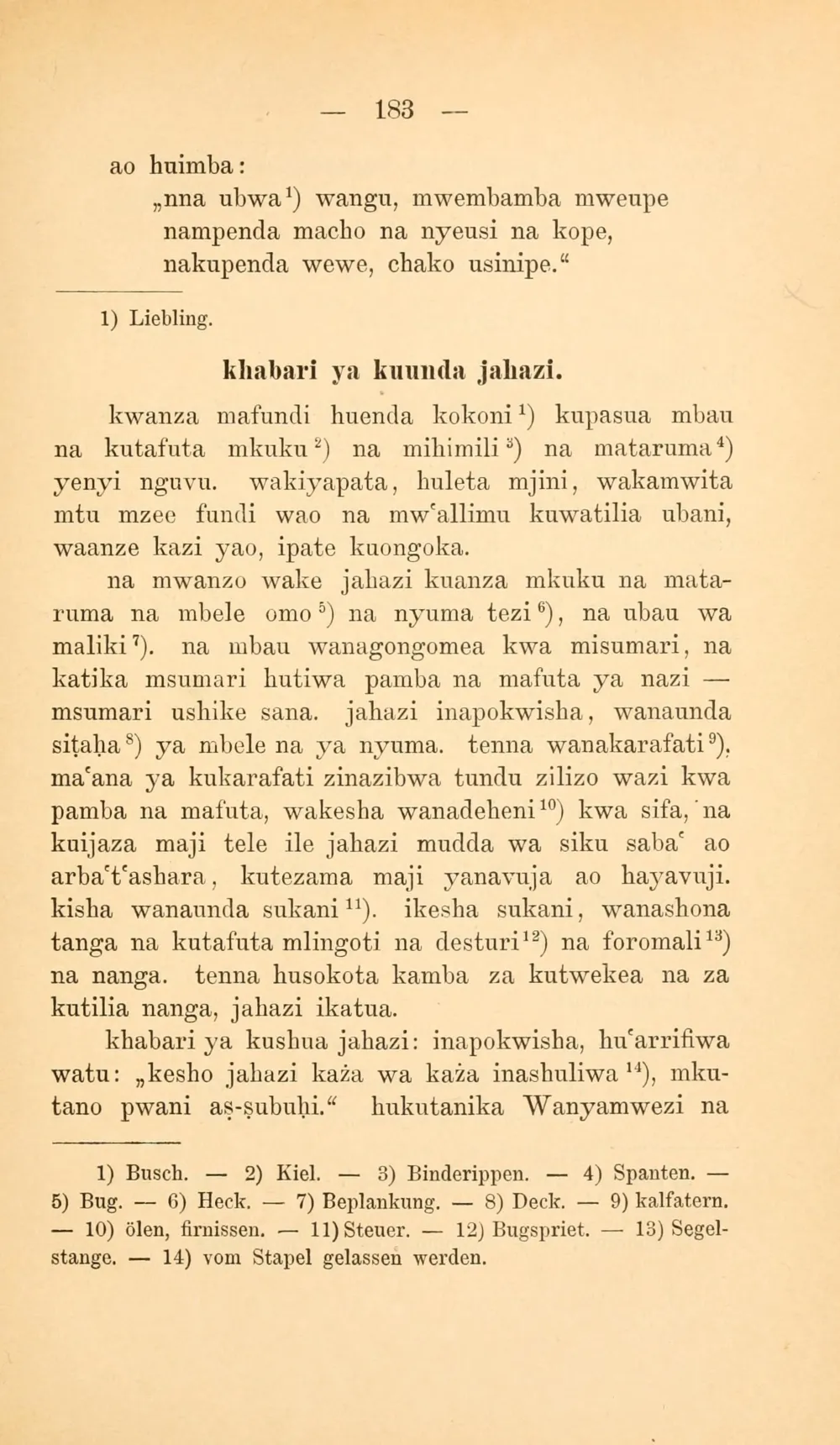
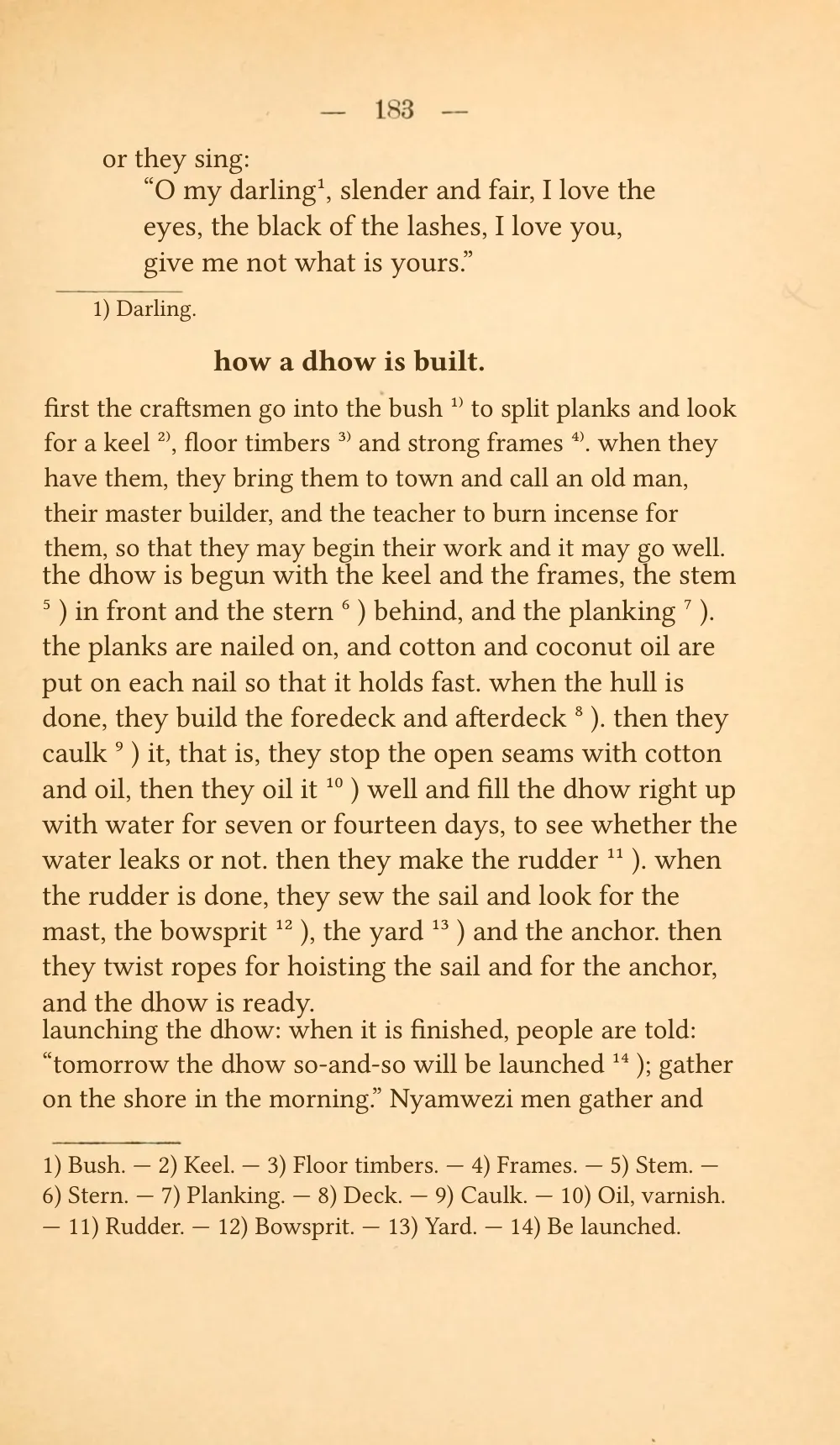
saa mbili is eight in the morning
Swahili time counts hours from sunrise, six hours off the usual clock. Seven in the morning is saa moja (the first hour), eight is saa mbili, and asubuhi (morning) or usiku (night) is added to tell day from night, so saa mbili usiku is 8 p.m. Translate it literally as two o'clock and a hearing or meeting time comes out six hours off. Amounts have a local notation too: the /= in TSh 3,500/= means whole shillings with no cents, and some people write /- instead. The Tanzanian shilling is abbreviated TSh and the Kenyan shilling KSh.
Common scanned Swahili documents we translate
These are the Swahili-language documents people most often translate to English — each keeps its original layout, seals, and tables.
- Court judgments (hukumu)
- Certificates of customary right of occupancy for village land (hati ya hakimiliki ya kimila)
- Minutes of village council and village assembly meetings (muhtasari wa halmashauri ya kijiji, muhtasari wa mkutano wa kijiji)
- Employment contracts (mkataba wa ajira)
- Notices and letters from government offices (tangazo, barua)
- Business licenses (leseni ya biashara)
How to translate a scanned Swahili document
Upload your PDF
Drop in a scanned Swahili PDF (one from your phone's scanner app works) or a digital PDF. Image-only PDFs are fine — no text layer needed.
We read & translate
OCR extracts the Swahili text, then it's translated to English while the original text is erased from the page.
Download, layout intact
Get a clean PDF where tables, figures, stamps, and numbers sit exactly where they were.
Swahili → English — frequently asked
Can a Swahili judgment from a Tanzanian court be translated to English?
Yes. Primary courts (mahakama ya mwanzo) worked in Swahili even before the 2021 amendments. The English version keeps the case number, the judge's signature line and the order of paragraphs, and translates both the decision and the reasoning. Under current Tanzanian law, when proceedings or a judgment are recorded in English and then translated into Swahili and the two texts differ, the language of the original record prevails. If you have both versions, upload the one in the original language. For anything going to a court or an arbitral body, prepare a certified translation as they require.
How should I check the times, dates and amounts in a document?
Count clock times from sunrise as described above: saa tatu asubuhi is 9 a.m. and saa nne usiku is 10 p.m. Dates in the English version may be written differently from the original, so check anything tied to a deadline against the original. Go through shilling amounts one by one against the original as well, especially those followed by /= or /-.
The attendance page of the village council minutes is handwritten, and I only have phone photos. What can I do?
Rescan the pages with your phone's scanner app and save them as a PDF, then open the site in your phone's browser, upload it and download the translated PDF straight to your phone. Tanzania's land authorities require minutes to record the agenda, the discussion, and the names and signatures of the members present. The printed text can be translated, but handwritten names and signatures are not read reliably, so check that list name by name against the original and against ID documents.
Choose your plan
Simple, scan-friendly pricing. Pages are pages — no multiplier for scanned files.
Pay-as-you-go
Translate a few pages. No commitment.
$0.30 a page, from 10 pages — you pay for exactly 10 pages.
- Pages never expire
- Up to 300 pages and 100 MB per file
Lite
Most popularFor individuals with scans to translate every month.
- $0.09 / page
- 100 pages every month
- 5 bonus pages, refreshed daily
- Up to 300 pages and 100 MB per file
- Pages reset each month
Pro
For high-volume users with scans to translate every week.
- $0.06 / page
- 500 pages every month
- 5 bonus pages, refreshed daily
- Unused pages roll over (up to 1,500)
- Up to 300 pages and 100 MB per file
Translate scanned PDFs in other languages
Guides on translating scanned documents
Can ChatGPT Translate a Scanned PDF? What Works and What Doesn't
Getting a scanned PDF into ChatGPT takes a workaround, and what comes back is text, or a rebuilt page you'll want to check. Here's how to do it and where it breaks.
Read guideTranslate a Scanned PDF on Your Phone (iPhone & Android)
Camera-translate apps are great for reading a page on the spot, but they don't give you a file — here's how to get an actual translated PDF from your phone.
Read guideWhy Does My Scanned PDF Translate to Gibberish? (And How to Fix It)
Random symbols, blank pages, or 'PDF tools are temporarily offline' — the cause is almost always the same one thing, and it's fixable.
Read guide