 Reglyph
Translate Dutch PDFs & documents to English
scanned or digital — without breaking the layout
Dutch-to-English translation is heavily business and administrative: KvK company extracts and annual accounts for due diligence, Belastingdienst letters for expats untangling their taxes, and BRP registration extracts for anyone moving between the Netherlands and an English-speaking country. These are dense, table-driven pages, and Reglyph translates them with OCR + AI while erasing the Dutch from the page image and typesetting the English into the identical structure — figures and reference numbers exactly where they were.
Compound words and figure-heavy administrative layouts
Dutch fuses concepts into long compounds — inkomstenbelasting, arbeidsovereenkomst, uittreksel — which often unfold into multi-word English phrases, so translated lines run longer and break tables in naive tools. Dutch administrative documents are also unusually dense with numbers: BSN, RSIN, KvK numbers, IBAN, and amounts using comma decimals. Reglyph refits the expanded English into the original cells and keeps every number in its source position, so a reviewer can trace each figure back to the Dutch page instantly.
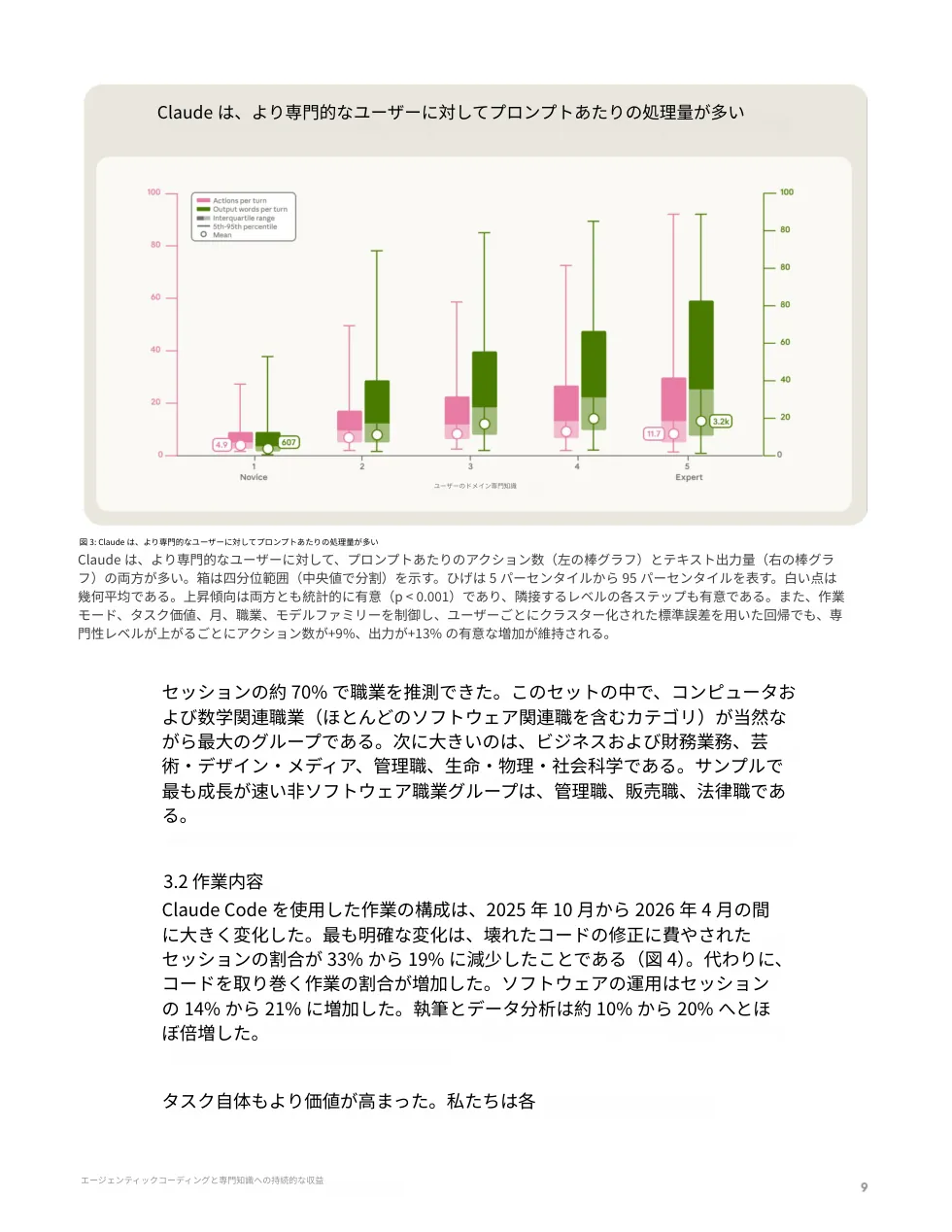
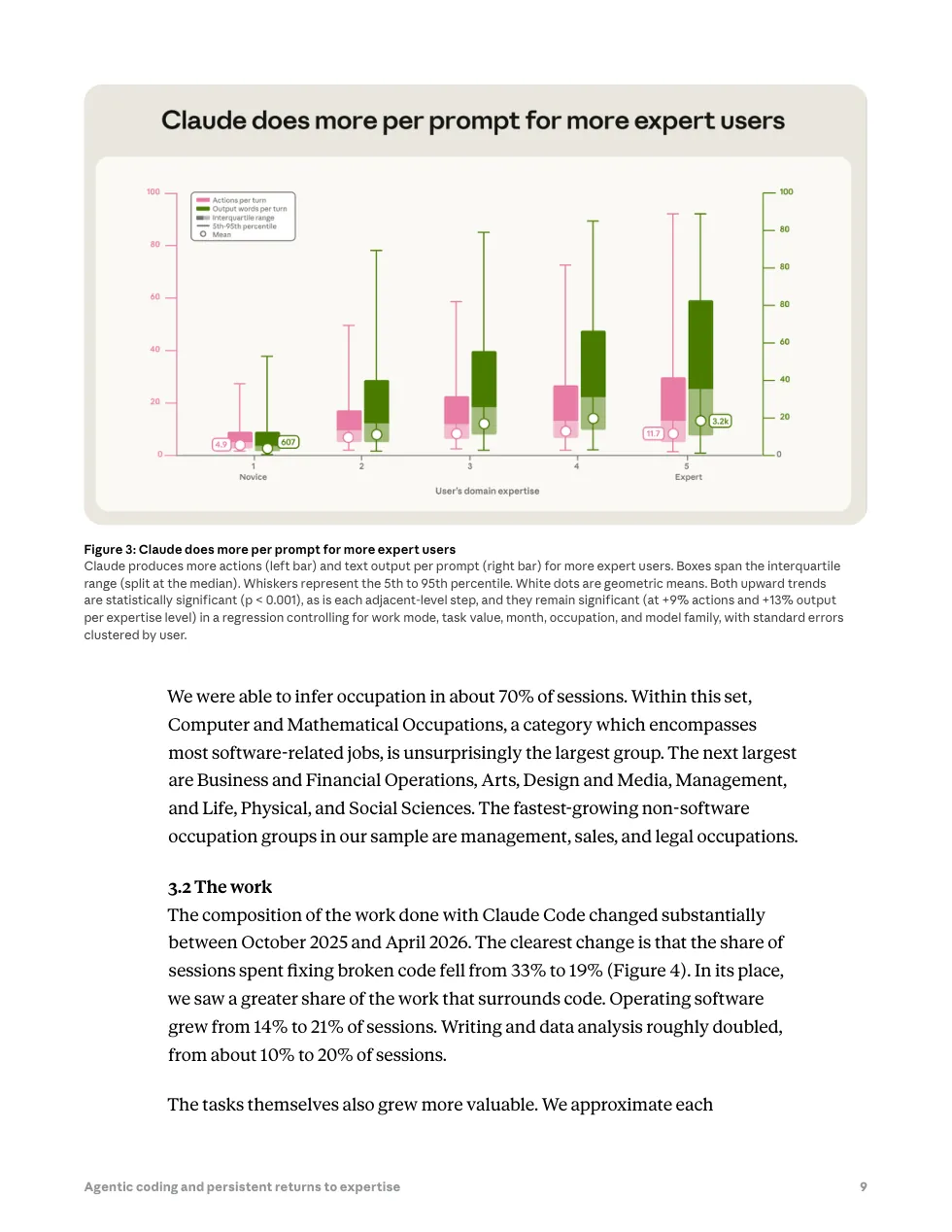
Drag to compare — every table, figure, and number stays in place.
Common scanned Dutch documents we translate
These are the Dutch-language documents people most often translate to English — each keeps its original layout, seals, and tables.
How to translate a scanned Dutch document
Drop in a scanned Dutch PDF, a digital PDF, or a photo of the page. Image-only files are fine — no text layer needed.
OCR extracts the Dutch text, then it's translated to English while the original text is erased from the page.
Get a clean PDF where tables, figures, stamps, and numbers sit exactly where they were.
Dutch → English — frequently asked
Can I translate a KvK-uittreksel to English for foreign partners or banks?
Yes — upload the extract (scan or digital PDF) and the English version mirrors the original's field layout, with the KvK number, RSIN, and registered activities in the same places. Banks doing KYC often accept a clear translation alongside the Dutch original; the bilingual side-by-side export is built for exactly that. If a counterparty insists on a sworn (beëdigde) translation, use the machine version as the reviewed draft.
How do I translate a Belastingdienst letter I can't read?
Photograph or scan the letter and Reglyph gives you the English on the same page layout, so the deadline, amount due, and reference number sit exactly where they do in the Dutch — no hunting through reflowed text. That layout fidelity matters because Belastingdienst letters put critical numbers in boxes and margins. It's machine translation, so for a formal objection (bezwaar) have an advisor confirm the wording.
Does Reglyph handle both scanned paper and digital Dutch PDFs?
Yes — it accepts photographed or scanned pages, image-only PDFs, and ordinary digital PDFs alike, and the output preserves the layout either way. Crisp printed documents give the best OCR results; handwritten notes in margins are the one thing we don't promise to read reliably. You get 5 free pages a day without a credit card, so a typical letter or extract costs nothing to try.
Choose your plan
Simple, scan-friendly pricing. Pages are pages — no multiplier for scanned files.
$0.30 a page, from 10 pages — you pay for exactly 10 pages.
- $0.30 / page — buy exactly what you need
- Pages never expire
- Up to 100 MB per file
- $0.09 / page
- 100 pages every month
- Up to 100 MB per file
- Pages reset each month
- $0.06 / page
- 500 pages every month
- Unused pages roll over (up to 1,500)
- Up to 100 MB per file
Translate scanned PDFs in other languages
Guides on translating scanned documents
Vision models genuinely read scans now. The question isn't whether ChatGPT can translate your PDF — it's whether a chat reply is actually what you need back.
Read guideCamera-translate apps are great for reading a page on the spot, but they don't give you a file — here's how to get an actual translated PDF from your phone.
Read guideRandom symbols, blank pages, or 'PDF tools are temporarily offline' — the cause is almost always the same one thing, and it's fixable.
Read guide