 Reglyph
Translate Russian PDFs & documents to English
scanned or digital — without breaking the layout
Russian certificates, diplomas, and official records are commonly scanned for immigration and credential evaluation. Reglyph OCRs the Cyrillic text, erases it, and rebuilds the English on the same page so seals, tables, and signature lines stay where they belong.
Working from paper? Scan and translate Russian to English — how to get a usable scan, and what happens to it.
Cyrillic script
Russian uses the Cyrillic alphabet, which OCR can confuse with visually similar Latin letters. Reglyph is tuned to read Cyrillic accurately and preserves the formal layout of diplomas and civil records.
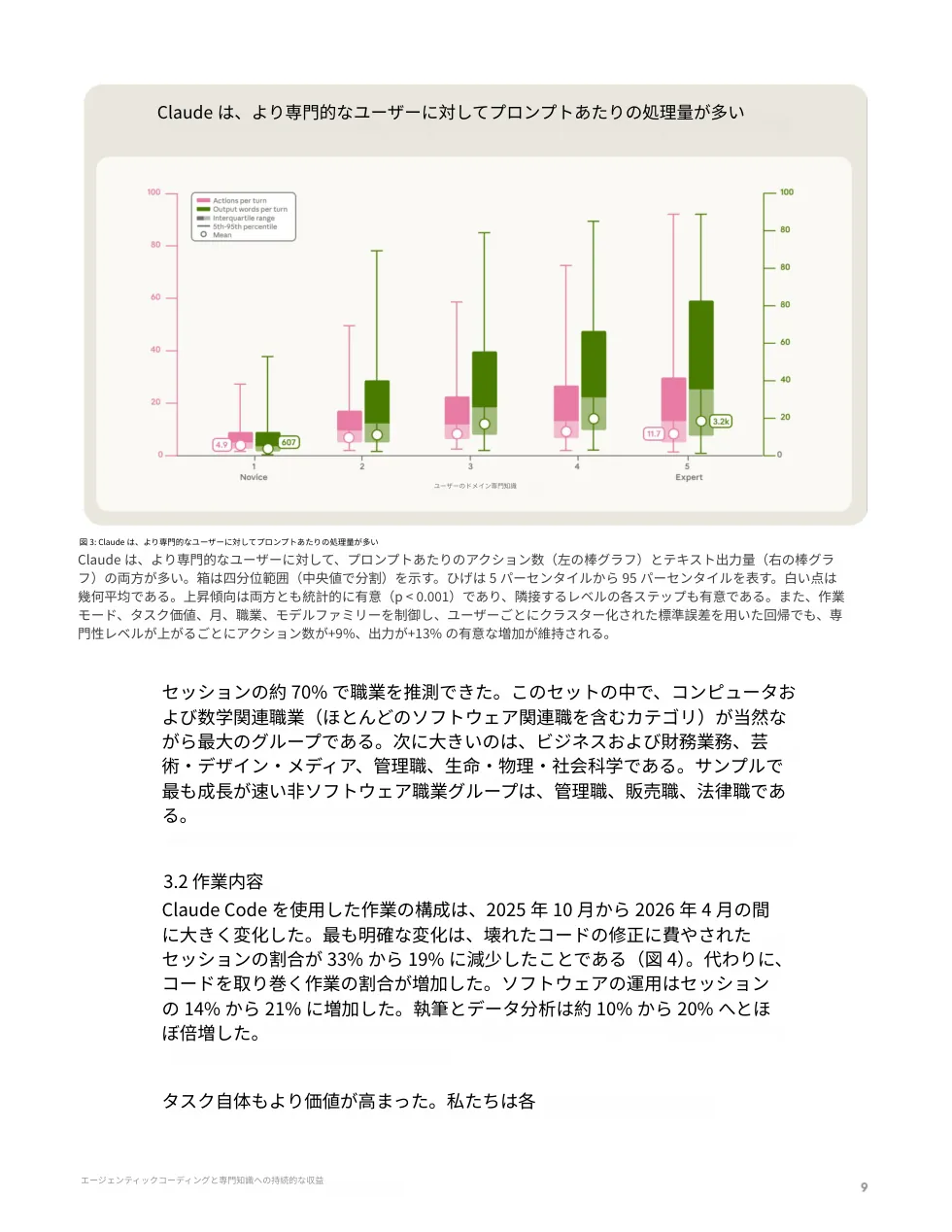
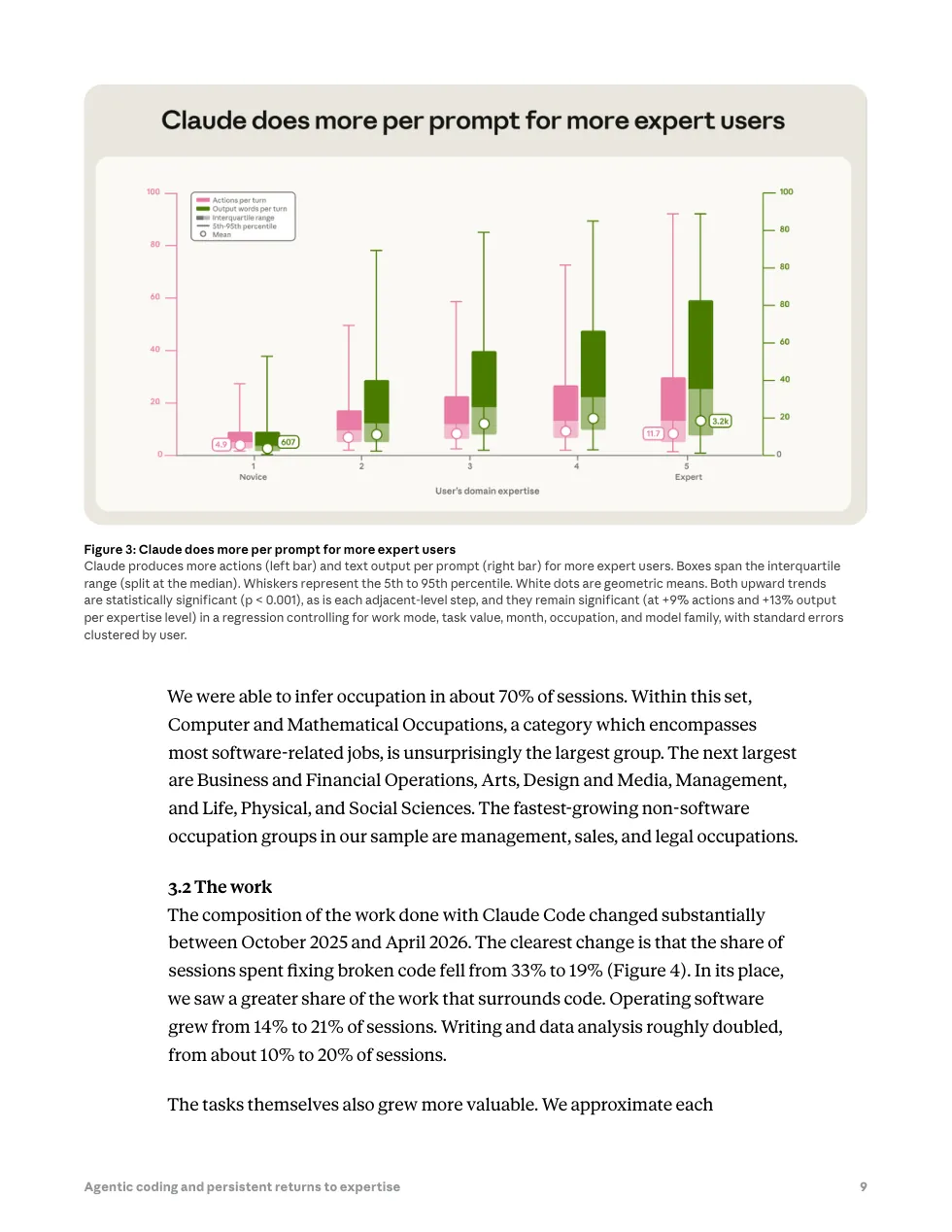
Drag to compare — every table, figure, and number stays in place.
Common scanned Russian documents we translate
These are the Russian-language documents people most often translate to English — each keeps its original layout, seals, and tables.
How to translate a scanned Russian document
Drop in a scanned Russian PDF, a digital PDF, or a photo of the page. Image-only files are fine — no text layer needed.
OCR extracts the Russian text, then it's translated to English while the original text is erased from the page.
Get a clean PDF where tables, figures, stamps, and numbers sit exactly where they were.
Russian → English — frequently asked
Can it translate a scanned Russian diploma to English?
Yes. The diploma's seals, grades table, and signature area are kept while the text is translated.
Does it read Cyrillic correctly?
Yes. The Cyrillic alphabet is recognized accurately, including names and place names.
Can it handle multi-page scanned records?
Yes. Multi-page documents are translated page by page with the layout preserved on each.
Can I convert a Russian PDF into English?
Yes — upload the Russian PDF and download an English one. Because the conversion rebuilds each page rather than dumping text, Cyrillic names transliterated into Latin script land in the same table cells and form fields they came from.
Can I use this instead of a Russian translation service?
For understanding a document and for most non-official uses, yes — instantly, with the печать and form layout intact. When certification is required, a translator reviews and signs this draft, which is far quicker than translating a Cyrillic scan from a blank page.
Choose your plan
Simple, scan-friendly pricing. Pages are pages — no multiplier for scanned files.
$0.30 a page, from 10 pages — you pay for exactly 10 pages.
- $0.30 / page — buy exactly what you need
- Pages never expire
- Up to 100 MB per file
- $0.09 / page
- 100 pages every month
- Up to 100 MB per file
- Pages reset each month
- $0.06 / page
- 500 pages every month
- Unused pages roll over (up to 1,500)
- Up to 100 MB per file
Translate scanned PDFs in other languages
Guides on translating scanned documents
Gemini's long context makes it the most patient of the chat assistants with a big PDF. It still hands you back a conversation, not a document.
Read guideThe word has stopped meaning anything on a pricing page. What matters is which of three very different things is doing the work — and what comes out the other end.
Read guideMost people asking for a notarized translation don't need one. The ones who do usually need it for a specific office abroad — and the notary never checks the translation.
Read guide